Can You Afford to Retire from the Farm?
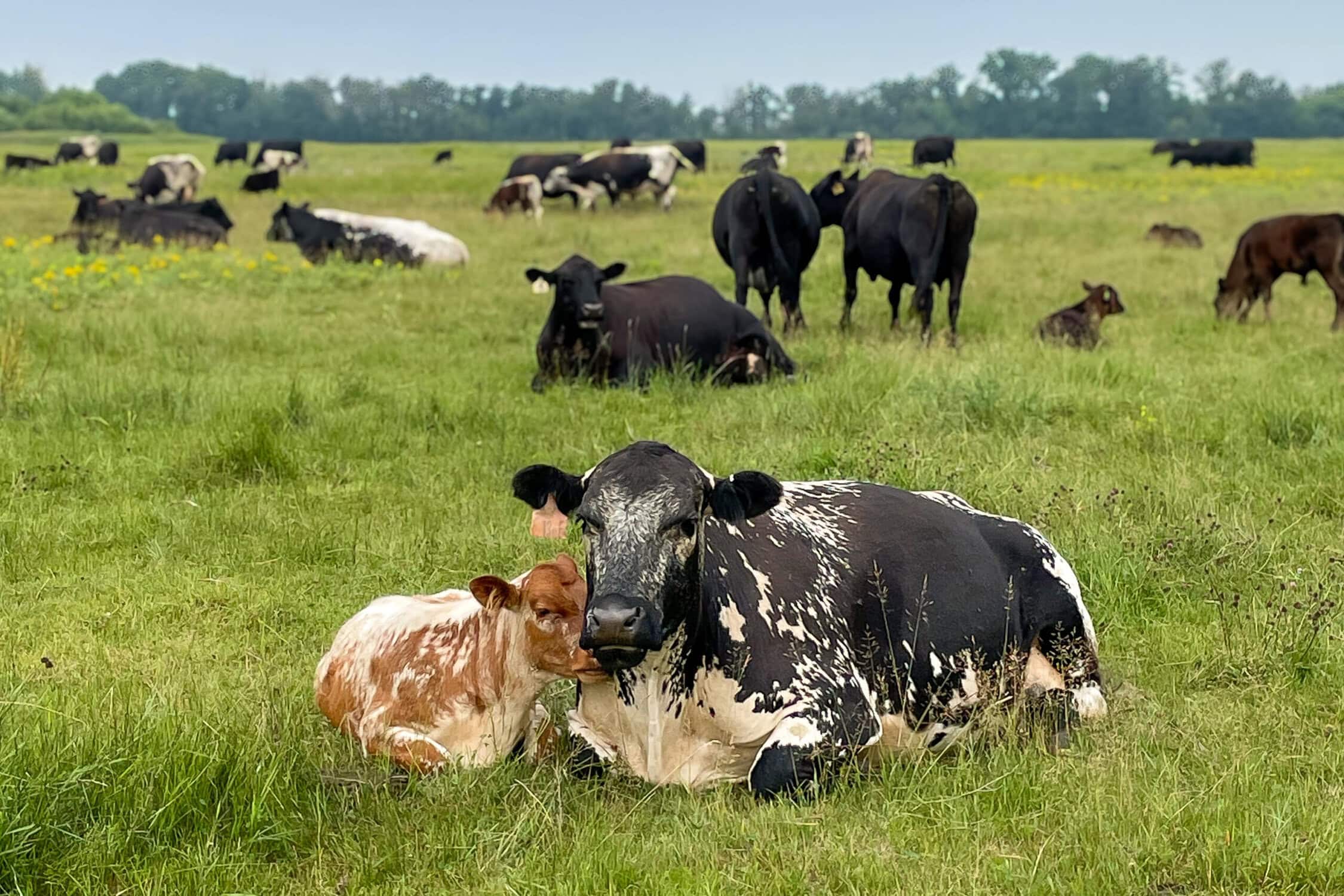
For many Canadian farmers, retirement planning looks very different from what it does for most Canadians.
A teacher may retire with a pension. An executive may retire with RRSPs, TFSAs, and non-registered investments. Their challenge is often figuring out how to draw income from those assets in a tax-efficient way. Farmers are often in a different position altogether.
After decades of hard work, many farm families have built considerable wealth. The challenge is that much of that wealth may be tied up in farmland, buildings, equipment, quota, livestock, or a farm corporation. As a result, a farmer can have a large net worth but still feel uncertain about retirement.
This is because retirement is not funded by net worth. It is funded by income. And how to turn net worth into income is not always obvious.
The Challenge of Being Wealthy on Paper
Imagine a couple who own a grain farm worth $5 million. They have spent 35 years building the operation. Every time there was extra money, it was often reinvested in the farm. They bought more land, upgraded equipment, improved efficiency, and expanded the business. Looking back, many of those decisions probably made sense. But retirement changes the conversation.
Land values may have increased dramatically over the years, but land does not pay the monthly bills unless it produces income or is sold. Equipment may be valuable, but its value does not help fund a winter getaway or cover healthcare costs.
This is why many farmers find themselves in what appears to be a contradiction. They can be financially successful and still feel uncertain about retirement. Most have already built substantial wealth. The real question is whether that wealth can reliably generate income for the next 20 or 30 years.
Retirement Planning and Succession Planning Are Often the Same Thing
Many farm families initially think of retirement planning and farm succession planning as two separate projects. In reality, they are often closely connected.
Parents want to know if they can afford to retire. Children want to know if they can afford to take over the farm. The challenge is that both goals depend on the same assets. There are situations where a farm comfortably supports one generation but would struggle to support two. The retiring parents need income. The children need cash flow to operate the farm, support a family, and invest in the future of the business. That is why some of the most important succession discussions are not about tax at all. They are about economics.
Can the farm provide retirement income for Mom and Dad while still remaining viable for the next generation? Sometimes the answer is yes. Sometimes adjustments need to be made. But it is a question that deserves honest analysis long before retirement becomes imminent.
A useful framework is to separate ownership, management, and compensation: Who owns the farm? Who makes the decisions? Who gets paid for working in the operation? Those answers do not necessarily need to change at the same time. In fact, some of the most successful farm transitions happen gradually over a number of years.
Why Investments Outside the Farm Can Matter
Farmers often hear that they should diversify, but diversification can mean different things at different stages of life. When you are building a farm, concentrating capital in the operation may be entirely reasonable. The farm may offer better opportunities than other investments. As retirement approaches, however, having options becomes more important.
Having some assets outside the farm can make retirement decisions easier. RRSPs, TFSAs, non-registered investments, or corporate investment accounts may provide a source of income that is not dependent on commodity prices or weather conditions. This does not mean selling the farm. It means avoiding a situation where every retirement decision depends on what happens to the farm from year to year.
The more potential income sources you have, the more options you have. And options tend to become increasingly valuable as retirement approaches.
Tax Matters
Tax planning is an important part of farm retirement planning, and there are several rules that can have a significant impact on the outcome. The lifetime capital gains exemption, qualified farm property rules, intergenerational transfer rules, and corporate planning opportunities can all affect how much tax is paid over a lifetime. But one of the biggest tax advantages often comes from time.
A family that begins planning ten years before retirement typically has more options than a family that waits until the transition is only months away. Decisions about ownership structures, transfers, corporate assets, and retirement income can often be managed more effectively when there is time to think strategically.
Good tax planning often comes down to making the right decisions early enough to have options.
How Do You Know If You Are Ready?
When farmers start thinking seriously about retirement, it is natural to focus on what the farm is worth. A better starting point may be to understand what retirement will actually require.
How much income will you need? Where will that income come from? How much depends on ongoing farm profits? If the next generation takes over, can they support themselves while also contributing to your retirement goals?
Answering those questions can give you a much better idea of whether you are financially ready to retire.
The Bottom Line
For many Canadian farmers, retirement is not really about stopping work. It is about creating enough financial flexibility to choose how you want to spend the next stage of your life.
Some farmers continue helping during planting and harvest long after they are technically retired. Others gradually transfer responsibility to the next generation. Some rent out land, while others sell assets over time. There is no single right approach.
What matters is understanding how the wealth you have spent a lifetime building will support you when you are no longer relying on the farm for day-to-day income. Because for many farm families, the biggest challenge is not building wealth. It is turning that wealth into a retirement that works without compromising the future of the farm.
Frequently Asked Questions
This article is intended for educational purposes only and does not constitute personalized advice. The strategies and information discussed may not be suitable for your individual situation or may not be up-to-date and current. Please seek guidance from a licensed professional for advice specific to your circumstances.

Blog Contributors
Recent Posts
Subscribe to our newsletter
Want to stay up to date with our most recents articles?
Sign up below to receive emails whenever we have a new story!